A public place does not mean a person has no right to privacy.”
Delhi Metro Photo Controversy: What Does the Law Say?
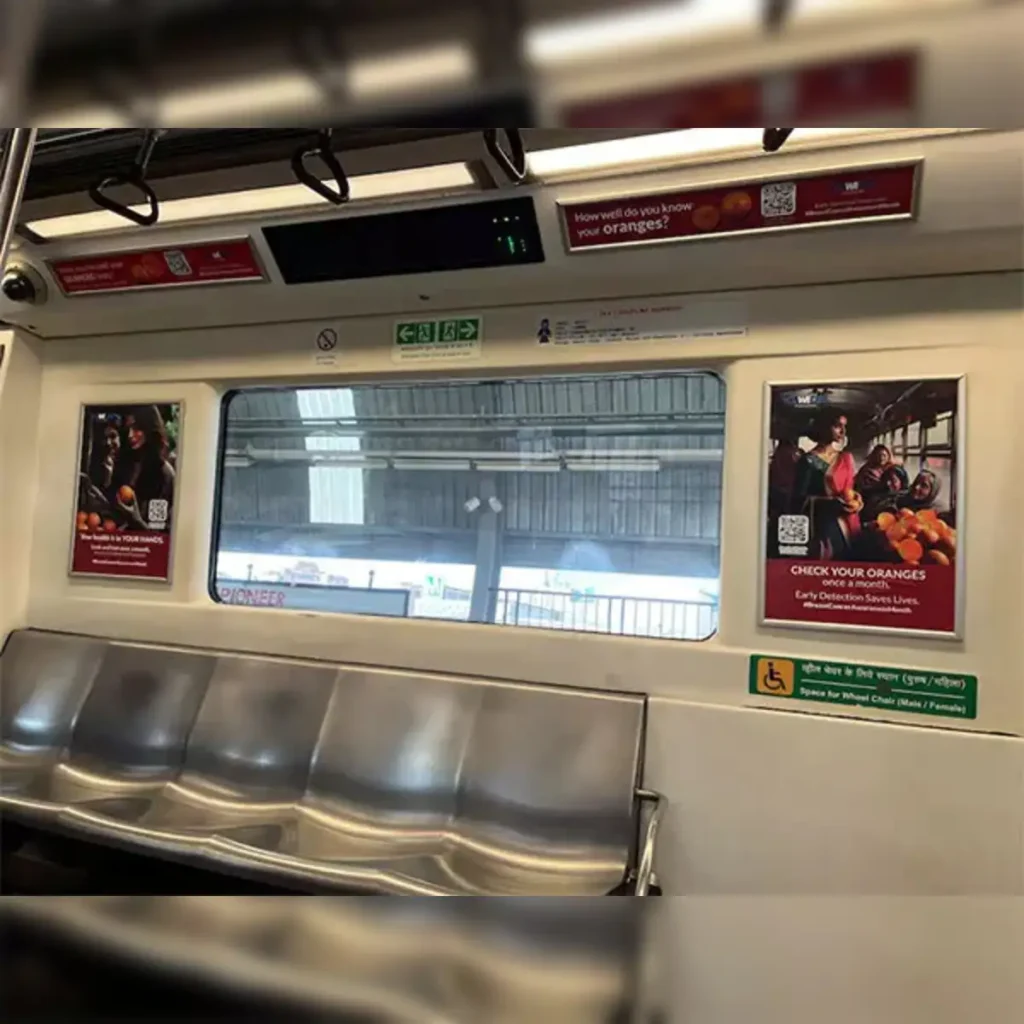
A recent incident inside the Delhi Metro has triggered a wider debate about privacy, consent, women’s safety and photographing people without their knowledge.
The answer is not as simple as “yes” or “no.”
Indian law does not make every unauthorised photograph taken in a public place a criminal offence. However, depending upon what was photographed, the circumstances in which it was captured, the intention behind it and whether it was subsequently shared or misused, criminal provisions may apply.
Is Taking a Woman’s Photo Without Permission a Crime?
Not automatically.
A person taking an ordinary photograph of another person in a public place does not, by itself, necessarily constitute an offence under the Bharatiya Nyaya Sanhita (BNS).
However, the legal position changes significantly where the photograph involves a private act, intimate/private body areas, sexual conduct, harassment, stalking, or subsequent unauthorised dissemination.
This distinction is extremely important.
What is Voyeurism Under BNS Section 77?
BNS Section 77 — Voyeurism
Section 77 of the Bharatiya Nyaya Sanhita, 2023deals with voyeurism.
It applies where a man watches or captures the image of a woman engaged in a private act in circumstances where she would ordinarily expect not to be observed, or where such image is disseminated.
Therefore, it would be legally inaccurate to say that every photograph of a woman taken without consent constitutes voyeurism.
The statutory requirements of Section 77 must be satisfied.
What If the Photograph Is Later Shared?
This is another important issue.
Section 77 also covers dissemination of an image falling within the statutory definition of voyeurism.
Importantly, the provision states that even where a woman has consented to the capture of an image but has not consented to its dissemination to third persons, subsequent dissemination can constitute an offence under Section 77.
“If you are in a public place, anyone can photograph you and there can never be a privacy issue.”
That is an oversimplification.
Key Legal Takeaway
The Delhi Metro controversy highlights an important distinction:
Taking an ordinary photograph of someone in a public place is not automatically a criminal offence merely because the person did not give permission.
But where the conduct involves a private act, intimate/private areas, voyeurism, sexual harassment, stalking, privacy violation or unauthorised dissemination of protected images, criminal law may apply.
Legal Crusader provides legal assistance in criminal, cybercrime, privacy, women’s safety and other litigation matters. For case-specific advice, consult a qualified lawyer after examining the complete facts and evidence.