Introduction: Can Children’s Internet Access Be Banned in the Name of Safety?
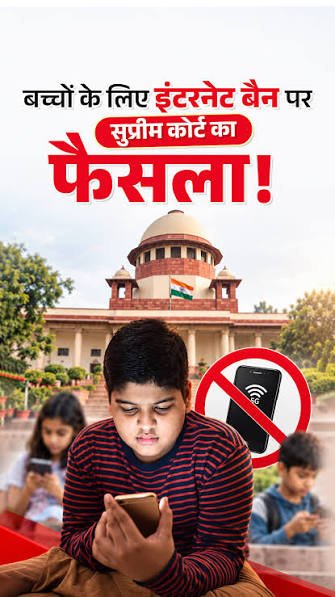
Can the government completely restrict children’s access to the internet to protect them from cyberbullying, online exploitation and harmful content? Or would such a ban violate their constitutional rights?
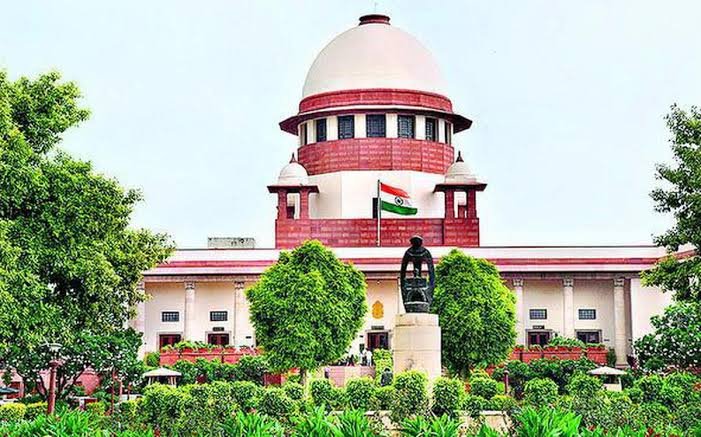
This important debate has gained national attention following the Supreme Court of India’s order dated 15 October 2026. The Court recognised the right to access and use the internet as a fundamental right under Article 21 read with Article 19(1)(a) of the Constitution, including for children.
The Court rejected blanket restrictions as a disproportionate solution, emphasising that protecting children online must not mean denying them access to education, information and digital communication.
The Court made three important points:
1. Internet Access Is a Fundamental Right
The Court recognised internet access and use as a fundamental right under Articles 21 and 19(1)(a). In modern India, the internet is essential for education, communication, access to information and participation in public life.
2. Blanket Bans Are Not the Answer
The Court declined to endorse a blanket ban on children’s internet access merely in the name of safety. It observed that prohibiting access does not necessarily prevent children from going online; it may push them towards less regulated and potentially more dangerous platforms.
3. Stronger Online Safety Measures Are Necessary
The Court did not reject all age-based safeguards. It discussed measures such as parental oversight, child-friendly account settings, appropriate content restrictions and stronger action against illegal material.
Can the Government Still Restrict Social Media for Children?
The ruling should not be interpreted as giving children unrestricted access to every online service. The Court recognised the need for safeguards and did not rule out restrictions on categories of content or services that are inherently harmful to children.
Potential safeguards include:
- Age-appropriate privacy settings and parental consent mechanisms.
- Restrictions on unsolicited messages from unknown adults.
- Effective detection and removal of child sexual abuse material.
- Accountability for platforms that fail to comply with applicable legal obligations.
- Digital awareness and online safety education for children and parents.
What Should Parents Do to Protect Children Online?
Parents need not wait for a new law to improve online safety. Practical steps include:
- Use parental controls: Enable age-appropriate privacy and content settings on devices and social media accounts.
- Discuss online risks: Encourage children to report threats, blackmail, cyberbullying or inappropriate contact without fear of punishment.
- Preserve evidence: Retain relevant messages, profile details and screenshots when safe and lawful to do so.
- Report serious abuse: Report cybercrime through the official National Cyber Crime Reporting Portal at https://cybercrime.gov.in. In an emergency, contact the police.
- Seek legal assistance: For online sexual exploitation, threats, impersonation or circulation of illegal content, obtain prompt legal advice and avoid forwarding or redistributing abusive material.
FAQs on Children’s Internet Rights in India
Can parents restrict their children’s internet use?
Parents can adopt reasonable, age-appropriate supervision and safety measures. The judgment does not remove parental responsibility for protecting children online.
What can a child do if someone threatens or blackmails them online?
The child should inform a trusted adult, preserve relevant evidence where safe, report the incident to the police or the official cybercrime portal, and seek legal assistance when necessary.
Conclusion: Child Safety and Digital Freedom Must Go Together
The Supreme Court’s 2026 ruling highlights an important principle: children deserve both online protection and constitutional freedom. A blanket ban may restrict access without addressing the people and platforms responsible for online abuse.
The real challenge is to create a safer digital environment through effective enforcement, responsible platform practices, parental guidance and proportionate safeguards.
Need legal guidance on cybercrime, online harassment or children’s legal protection? Contact Legal Crusader for assistance with appropriate legal remedies and advice.