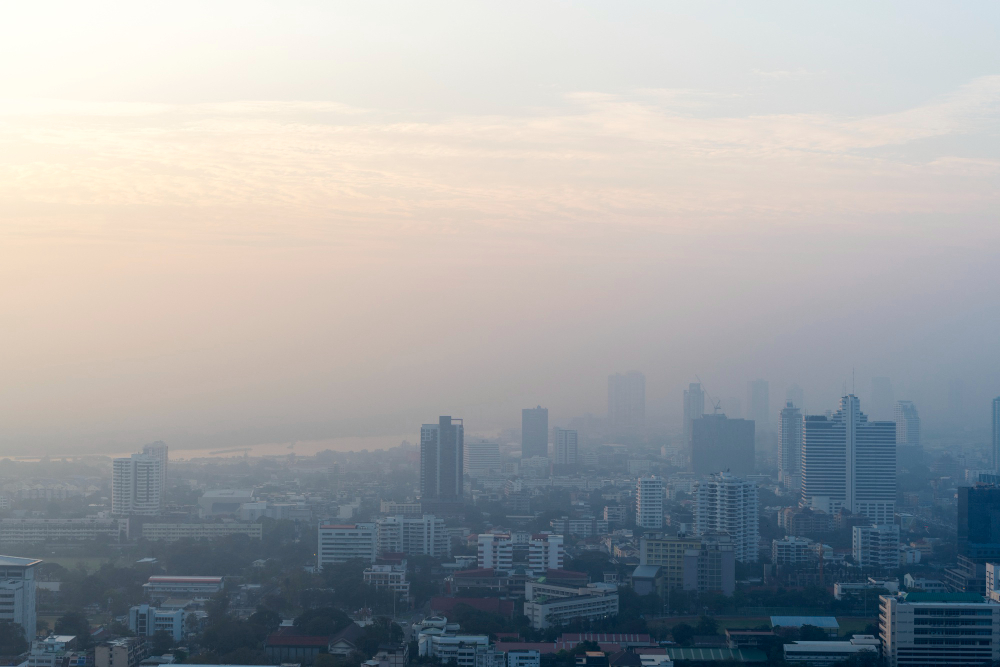
Every winter, Delhi NCR turns into a gas chamber, with AQI levels often crossing the “severe” mark and schools, offices, and residents struggling to breathe safely. This is not just an environmental crisis; it is a direct attack on the fundamental right to life and a healthy environment guaranteed under Article 21 of the Constitution of India.
Over the years, courts have repeatedly recognised that air pollution in Delhi NCR is not just a policy failure but a constitutional issue that affects the basic right to breathe. Understanding your legal rights under Article 21 helps you move from helpless outrage to informed action when toxic air harms your health, livelihood, or family.
What Article 21 Really Guarantees
Article 21 states that no person shall be deprived of their life or personal liberty except according to procedure established by law. Through landmark judgments, the Supreme Court has expanded “life” to include the right to live with dignity, which covers clean air, safe drinking water, and a healthy environment.
On this foundation, courts have clearly stated that breathing pollution-free air is part of the right to life. That is why petitions around smog, vehicular emissions, and industrial pollution are framed as violations of Article 21, not just as environmental complaints.
Major Court Interventions on Delhi’s Air
Delhi’s air quality has been examined in multiple public interest litigations, prompting interventions by the Supreme Court and High Courts. These have dealt with shifting polluting industries, introducing cleaner fuel, regulating construction activity, and responding to crop burning outside Delhi.
In recent hearings, the Supreme Court has again questioned authorities about persistent hazardous AQI levels, making it clear that clean air is a basic right of residents of Delhi NCR. The Court has also cautioned against politicising the issue and emphasised that effective, continuous measures are necessary rather than one-off seasonal reactions.
The Delhi High Court has heard urgent pleas seeking steps like stronger enforcement, better public warnings, and reasonable measures to protect schoolchildren and workers during severe pollution episodes. Together, these cases show that courts treat Delhi’s bad air as a continuing Article 21 concern.
What GRAP Means for Ordinary People
The Graded Response Action Plan (GRAP) is triggered when AQI crosses certain levels, leading to different restrictions. Depending on the stage, authorities can halt construction, close schools, restrict certain vehicles, and limit industrial activities.
While GRAP is meant to protect public health, it also affects livelihoods, travel and day-to-day functioning for residents and businesses. This creates a tension between your right to health and the right to work and move freely, all of which flow from Article 21.
Citizens are entitled to clear information about which restrictions apply, how long they will last, and what alternative arrangements (such as online classes or remote work) are put in place. When rules are applied arbitrarily or enforced only against certain groups, it becomes possible to question such action legally.
When Bad Air Becomes a Legal Problem
High AQI by itself may not always give rise to an individual case, but it becomes a legal problem when it causes specific harm and authorities fail to act despite being informed.
Typical situations include:
- Children, elderly people or patients with respiratory and cardiac illnesses suffering serious health complications linked to severe pollution and inadequate protective measures.
- Workers such as construction labourers, drivers, traffic police and sanitation workers being forced to work for long hours outdoors without masks, breaks or any health safeguards.
- Residents living near illegal construction, waste burning or industrial units experiencing constant smoke and dust despite repeated complaints to local bodies.
Those who drive or work on the roads face an additional layer of risk because poor visibility, dense smog and irregular enforcement of traffic rules can make everyday commuting dangerous. For such people, it becomes important to understand the legal rights of drivers in delhi in the context of challans, seizures and court summons when pollution control measures are enforced.
Practical Legal Options for Residents
1. Complaints and representations
The first step is usually to file written complaints with agencies such as the Delhi Pollution Control Committee, municipal corporations and the local police. Complaints can target specific acts like garbage burning, construction dust, misuse of diesel generators or illegal industrial activities.
Maintaining a file with complaint copies, acknowledgements, photographs, videos and medical records helps prove that authorities were informed but did not act. If you feel stuck after multiple complaints, seeking formal legal advice can help you decide whether to escalate the matter.
2. Writ petitions and PILs
When pollution and inaction affect entire neighbourhoods or large groups, residents, RWAs or NGOs can approach the Delhi High Court or Supreme Court through writ petitions or public interest litigations. These petitions usually ask courts to monitor air quality, enforce existing norms and direct authorities to implement stronger, time-bound measures.
Such petitions often involve complex procedural questions about jurisdiction, evidence and supervisory powers of higher courts over agencies and lower tribunals. In that context, understanding how courts exercise powers in matters under Article 227 can be useful for those considering escalation beyond routine complaints.
3. Claims, compensation and liability
There is increasing discussion about compensation for health impacts, business loss and accidents that have a clear connection with extreme air pollution. Courts have recognised principles such as “polluter pays” and “strict liability” in environmental cases, which can be applied against specific industries, projects or units if they are proven to be major local polluters.
Pollution can also indirectly contribute to road accidents by reducing visibility or creating unsafe driving conditions. In such situations, legal steps to take after a hit-and-run accident in india become especially relevant, because victims may need to combine motor accident law with evidence about environmental conditions.
Impact on Vulnerable Groups and Families
Toxic air does not affect everyone equally; certain groups are hit much harder than others. Children, senior citizens and people with existing respiratory or heart conditions face a higher risk of hospitalisation, long-term illness and reduced quality of life.
Workers who spend significant time outdoors—including construction workers, delivery riders, drivers and traffic police—may inhale high levels of pollutants every day. Over time, this exposure can be argued as a violation of their right to life and dignity if employers and authorities ignore basic safety safeguards.
Families dealing with recurring health expenses, job changes or relocation decisions due to pollution often see stress spilling over into their personal relationships. When this pressure intersects with divorce, custody or maintenance disputes, consulting the best matrimonial lawyer in delhi can help families align health concerns with legal strategy in family courts.
How Legal Support Can Help You Use Article 21
For most residents of Delhi NCR, pollution feels like a fight they cannot win alone, especially when multiple agencies pass responsibility between each other. Legal assistance can turn scattered complaints into a structured strategy, whether through individual representation, group petitions or targeted notices to specific authorities.
A law firm experienced in constitutional and environmental issues can help you assess whether your situation—health damage, neighbourhood nuisance, workplace exposure or accident risk—fits within a viable Article 21 claim. It can also draft effective complaints and representations, examine which agencies are responsible and, where necessary, prepare writ petitions backed by proper evidence.
If you are unsure where to start, you can explore the firm’s practice areas near me to see which team handles environmental, constitutional, traffic or family-related issues, and then request tailored legal advice for your specific case.
Turning the Right to Clean Air into Action
Delhi NCR’s air pollution has turned into a constitutional crisis that threatens the fundamental right to life for millions of residents. Article 21 gives a strong legal foundation to demand clean air, but that right becomes meaningful only when citizens document violations, act collectively and use the legal tools available to them.
By learning your rights, raising timely complaints, joining or supporting strategic petitions and seeking professional guidance where needed, you move from passive suffering to active enforcement of your right to breathe. LegalCrusader aims to bridge the gap between constitutional guarantees and real-world protection, helping individuals and communities in Delhi NCR turn the promise of Article 21 into practical legal remedies against toxic air.