
Why Is Form 6 Controversial?
The Election Commission of India (ECI) is facing scrutiny from the Supreme Court over the controversy surrounding Form 6, the form used for inclusion of an eligible person’s name in the electoral roll.
The controversy arose during the Special Intensive Revision (SIR) of electoral rolls. Questions were raised regarding additional information/declarations sought from applicants through the voter-registration process.
On 5 October 2026, the Supreme Court clarified that it had not approved any modified Form 6 and indicated that it would examine the Election Commission’s records to determine what changes were made and who authorised them.
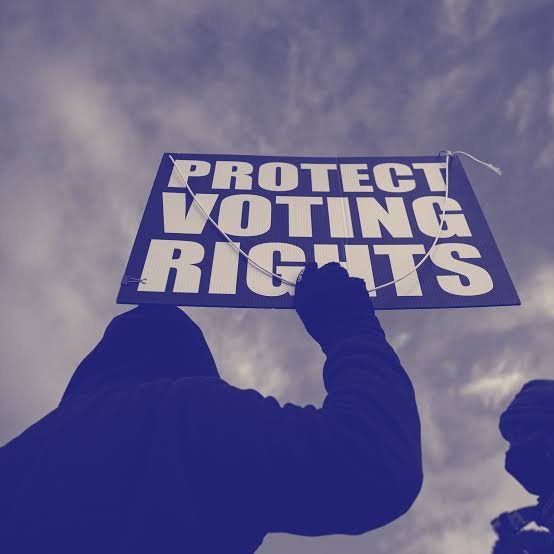
The issue is important because voter registration directly affects a citizen’s ability to participate in the electoral process.
What Is Form 6?
Form 6 is the prescribed application used by eligible persons for inclusion of their names in the electoral roll.
During SIR, applicants were required to provide additional information through a declaration connected with the verification process. The Election Commission has maintained that Form 6 itself was not modified, but that an additional SIR declaration was involved.
This has created an important legal question:
Can an additional requirement affecting voter registration be introduced without following the procedure prescribed by law?
That question is now being examined by the Supreme Court.
What Has the Supreme Court Said?
The Supreme Court has made it clear that it did not approve the alleged modified Form 6. The Court has sought to examine the relevant records concerning the changes and their authorisation.
Importantly, this does not automatically mean that the entire SIR exercise is illegal.
The legal issue is more specific: whether the disputed requirements were introduced by the competent authority, under proper legal authority and in accordance with the applicable election laws.
Why Does This Matter to Voters?
The controversy raises three major legal concerns:
1. Right to participate in elections
Every eligible citizen should have a fair and lawful opportunity to get their name included in the electoral roll. Any additional procedural requirement must have a proper legal foundation.
2. Administrative accountability
If a government form is changed or an additional declaration is introduced, there should be clarity regarding who authorised it, under which legal provision and following what procedure.
3. Technology cannot replace legal authority
An online government form may determine what information a citizen is required to submit. However, merely adding a requirement to a digital platform cannot by itself create a new legal obligation.
The underlying requirement must have lawful authority.
What Should You Do If Your Voter Registration Is Rejected?
If your application for voter registration or inclusion in the electoral roll is rejected, you should:
- Obtain the rejection/notice in writing;
- Preserve your Form 6 application and acknowledgement;
- Keep copies of all documents submitted;
- Take screenshots of any additional online requirements;
- Record communications with the Electoral Registration Officer (ERO);
- Seek appropriate legal advice if the rejection appears arbitrary or contrary to law.
Citizens should not ignore an election-related notice merely because the dispute concerns an online form or technical process.
FAQs
What is SIR?
SIR means Special Intensive Revision, an electoral-roll revision and verification exercise undertaken by the Election Commission.
Can an eligible voter challenge rejection of voter registration?
Yes. Depending on the facts and the nature of the rejection, a person may approach the appropriate electoral authority and, where legally justified, seek an appropriate remedy before a competent court.
Conclusion
The Form 6 controversy is more than a dispute about a voter-registration form. It raises important questions about electoral transparency, administrative power and the requirement that government authorities act within the law.
As the Supreme Court examines the issue, the central principle remains clear:
No administrative procedure affecting an eligible citizen’s electoral rights should operate beyond the authority granted by law.
Need Legal Assistance?
If you are facing a dispute concerning voter registration, electoral-roll inclusion or deletion, arbitrary government action or violation of legal procedure, consult Legal Crusader for professional legal guidance and representation.