
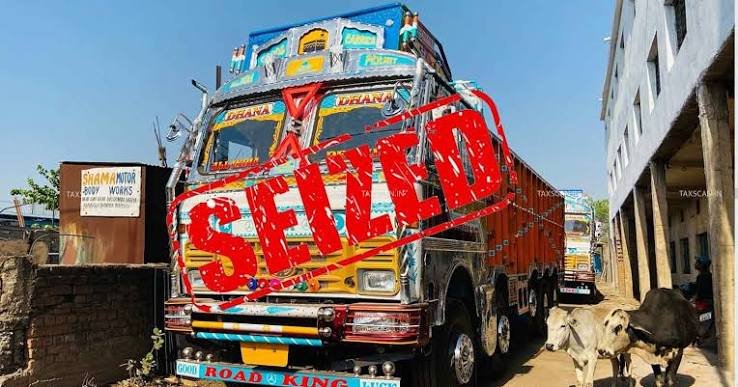
The Supreme Court of India has reaffirmed that banks and Non-Banking Financial Companies (NBFCs) cannot use force, intimidation, or unlawful recovery methods to seize financed vehicles. In its judgment concerning Hari Dutta Sharma v. State of U.P. & Ors., the Court examined the forcible repossession of a commercial truck and emphasized the importance of lawful recovery procedures and borrower protection.
Supreme Court Judgment on Vehicle Repossession: What Happened?
The case involved a commercial vehicle financed by Cholamandalam Investment and Finance Company Limited. The borrower alleged that his truck was taken at approximately 1:00 a.m. after its steering lock was broken, without the required prior notice.
The vehicle was subsequently sold for ₹4.5 lakh. The Supreme Court examined whether the financier’s contractual right to repossess the vehicle could be exercised through force and without complying with the notice requirements under the loan agreement.
The Court found that the repossession failed to comply with applicable safeguards and granted relief to the borrower, including compensation and refund-related directions.
Can Banks and NBFCs Seize Vehicles Without Notice?
1. Loan Default Does Not Authorise Forceful Recovery
A lender may have contractual rights to recover outstanding dues and repossess a hypothecated vehicle. However, those rights must be exercised through lawful and fair procedures.
Loan default does not automatically give recovery agents permission to forcibly take possession, threaten borrowers, or use coercive methods.
2. Notice and Loan Agreement Conditions Matter
Borrowers should carefully examine their loan agreements, particularly clauses concerning:
- Default and repossession.
- Prior notice requirements.
- Settlement of outstanding dues.
- Sale of the repossessed vehicle.
- Recovery agent conduct.
In the case discussed, the Court found that the contractual seven-day notice requirement had not been complied with.
3. RBI Recovery Guidelines Must Be Followed
The Supreme Court emphasized the need for genuine compliance with RBI guidelines governing recovery practices. It directed the RBI to take effective steps to ensure that the safeguards are implemented by relevant lenders.
What Are the Legal Remedies Against Illegal Vehicle Seizure?
If a bank or finance company has allegedly taken your vehicle through force, without required notice, or in violation of contractual and regulatory safeguards, you should consider the following steps:
Step 1: Send a Legal Notice
A legal notice may request disclosure of the legal basis for repossession, compliance with contractual requirements, relevant documents, and appropriate relief depending on the facts.
Step 2: Consider Appropriate Legal Proceedings
Depending on the lender, facts, contractual terms, and relief sought, remedies may include proceedings before an appropriate court or tribunal, consumer remedies where maintainable, or complaints to the relevant regulatory authority.
How Legal Crusader Can Help Borrowers
Legal Crusader provides legal assistance in banking and financial disputes, including borrower-side matters involving loan recovery, SARFAESI proceedings, and DRT-related remedies.
If your vehicle or secured property has been taken through allegedly unlawful recovery practices, obtain a review of your documents and available legal remedies.
Consult Legal Crusader for assistance with banking disputes and borrower legal rights in Delhi NCR.
Frequently Asked Questions (FAQs)
Can a bank forcibly seize my vehicle after loan default?
A lender’s contractual repossession rights do not authorise unlawful force or coercive recovery. The applicable agreement and legal safeguards must be examined.
Can I challenge vehicle repossession without notice?
Yes, you may have legal remedies depending on the circumstances, including the loan agreement, applicable recovery rules, and the nature of the repossession.
What should I do if recovery agents threaten me?
Preserve evidence of threats and communications, and consider making an appropriate complaint and seeking legal advice. Immediate safety concerns should be reported to the police.
Can I recover compensation for illegal vehicle seizure?
Compensation depends on the facts, legal findings, and remedy available. The Supreme Court’s judgment demonstrates that relief may be granted where unlawful repossession and rights violations are established.
Conclusion
The Supreme Court’s ruling in Hari Dutta Sharma v. State of U.P. & Ors. highlights that loan recovery must be conducted lawfully and fairly. Borrowers facing vehicle repossession should understand their contractual rights, preserve relevant documents, and seek timely legal assistance when recovery practices are disputed.
Need legal assistance with a banking dispute or vehicle repossession? Contact Legal Crusader for professional legal guidance.